
Top-Rated Products For Concrete Crack and Surface Repair
Compare the most popular products designed to tackle cracks, chips, and surface imperfections with lasting results.
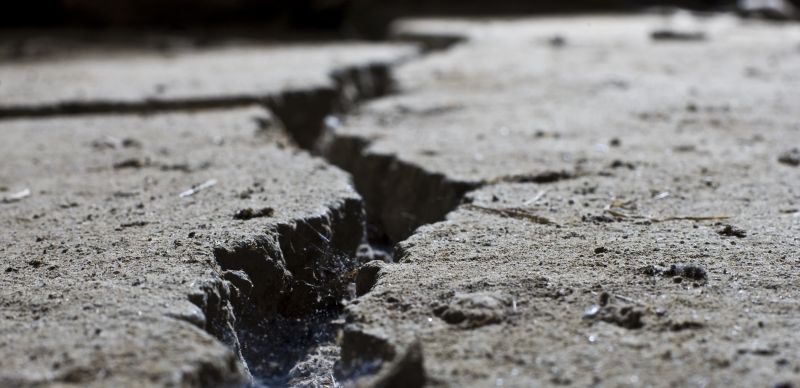 Concrete repairs are essential for maintaining the structural integrity and aesthetic appeal of various surfaces around homes and commercial properties. Whether addressing minor cracks, surface spalling, or more significant structural issues, selecting the appropriate repair products is crucial. These products are designed to bond effectively with existing concrete, withstand environmental stresses, and provide durable results over time. From patching compounds and sealants to bonding agents and crack fillers, there is a wide range of options suited for different types of repairs.
Top Overall Option
Multi-Purpose Concrete Repair Compound
A versatile repair compound designed for a wide range of concrete surfaces, offering strong adhesion and durability. It is suitable for patching cracks, filling holes, and surface leveling, making it a comprehensive choice for various repair needs. Easy to apply and suitable for both indoor and outdoor use, this product provides a reliable solution for maintaining concrete integrity over time.
Types of Products For Concrete Repairs
Concrete Crack Filler
Specialized formulations for filling and sealing cracks in concrete surfaces, helping prevent further damage.
Concrete Patch
Ready-to-use mixes for repairing holes and surface imperfections on concrete slabs and walls.
Epoxy Concrete Repair
High-strength epoxy compounds ideal for structural repairs and bonding new concrete to existing surfaces.
Polyurethane Sealant
Flexible sealants perfect for sealing joints and cracks that experience movement.
Hydraulic Cement
Quick-setting cement used to stop leaks and repair damaged concrete exposed to water.
Surface Restorers
Products designed to restore the appearance and texture of worn or spalled concrete surfaces.
Concrete Resurfacing Products
Thin overlays that improve the appearance and durability of existing concrete surfaces.
Bonding Agents
Primers that enhance adhesion between old and new concrete layers.
Waterproofing Sealers
Sealants that provide moisture resistance and protect concrete from water infiltration.
Patch and Repair Mortars
High-performance mortars for structural repairs and filling large areas.
Crack Repair Kits
All-in-one kits that include everything needed to repair cracks quickly and effectively.
Concrete Densifiers
Chemical treatments that harden and densify concrete surfaces for increased durability.
Surface Coatings
Protective coatings that enhance appearance and provide additional resistance to wear.
Polymer Modifiers
Additives that improve the flexibility and bonding qualities of repair mixes.
Self-Leveling Compounds
Materials that create smooth, level surfaces in repair and resurfacing projects.
Popular Choices
Widely used for sealing cracks to prevent water ingress and further deterioration.
Popular for fast repairs on small holes and surface imperfections.
Commonly chosen for structural bonding and deep crack repairs.
Flexible option for sealing joints and cracks with movement.
Frequently used to protect surfaces from moisture damage.
Preferred for restoring worn or spalled concrete surfaces.
Popular for improving adhesion between old and new concrete layers.
Common choice for emergency repairs involving water leaks.
Convenient for DIY repairs of small to medium cracks.
Used to strengthen and harden concrete surfaces in high-traffic areas.
Chosen for providing a protective barrier on concrete surfaces.
Popular for filling larger holes and restoring structural integrity.
Favored for creating smooth, flat surfaces in repair projects.
Highly regarded for enhanced bonding and flexibility.
Often selected for cosmetic repairs and surface restoration.
Proper preparation of the damaged area is vital before applying any repair product. Cleaning away debris, loose concrete, and moisture ensures optimal adhesion and performance. Many products are formulated to be user-friendly, allowing for straightforward application even for DIY enthusiasts. However, understanding the specific requirements of each repair situation can help in choosing the most suitable product, whether it's for small cracks or large surface repairs.
In addition to the repair materials themselves, tools such as trowels, putty knives, and brushes can enhance the application process, ensuring a smooth finish. It's also important to consider the curing time and environmental conditions during application, as these factors influence the longevity and effectiveness of the repair. Regular maintenance and timely interventions can significantly extend the lifespan of concrete structures, preventing more costly repairs in the future.
When selecting products for concrete repairs, always review the manufacturer's instructions and safety guidelines. Compatibility with existing concrete, ease of use, and the specific repair needs should guide your choices. Investing in quality materials and proper techniques can lead to more satisfying results, helping to restore the strength and appearance of concrete surfaces efficiently.
Key Buying Considerations
- Identify the specific type of damage or deterioration to select the appropriate product.
- Consider whether the repair is for structural integrity or cosmetic improvement.
- Check the compatibility of the product with existing concrete surfaces.
- Determine if the product is suitable for indoor, outdoor, or both environments.
- Evaluate the ease of application, especially if DIY installation is intended.
- Review the curing time and environmental conditions required during application.
- Assess the durability and weather resistance of the repair material.
- Look for products that provide flexibility if the concrete is subject to movement or expansion.
- Consider the size of the repair area to choose a product that is cost-effective and efficient.
- Ensure safety guidelines are clear and that protective gear is used during application.
- Check for any additional tools or accessories needed for proper application.
- Review customer feedback and ratings for insights on product performance.
- Verify the manufacturer's instructions for surface preparation and post-application care.
- Consider whether a repair kit or individual products better suit your project scope.
- Assess the long-term maintenance requirements of the repair product chosen.