Optimal Conditions for Concrete Repairs
Concrete repairs are most effective when performed under optimal weather conditions. Temperature, humidity, and precipitation significantly influence the curing process and the longevity of repairs. Ideal conditions typically include mild temperatures, low humidity, and minimal rainfall to ensure proper bonding and curing.
These seasons often provide moderate temperatures and lower humidity, making them suitable for concrete repairs. Repair work during these times tends to have higher success rates due to stable weather conditions.
High temperatures can cause rapid evaporation of moisture, leading to cracks and weak bonds. It is best to avoid repairs during the hottest months of summer.
Cold temperatures slow down curing and can cause concrete to freeze before gaining strength. Repairs should be scheduled when temperatures are consistently above freezing.
Waiting for dry weather after rain ensures proper adhesion and curing. Moisture during curing can compromise the repair's integrity.
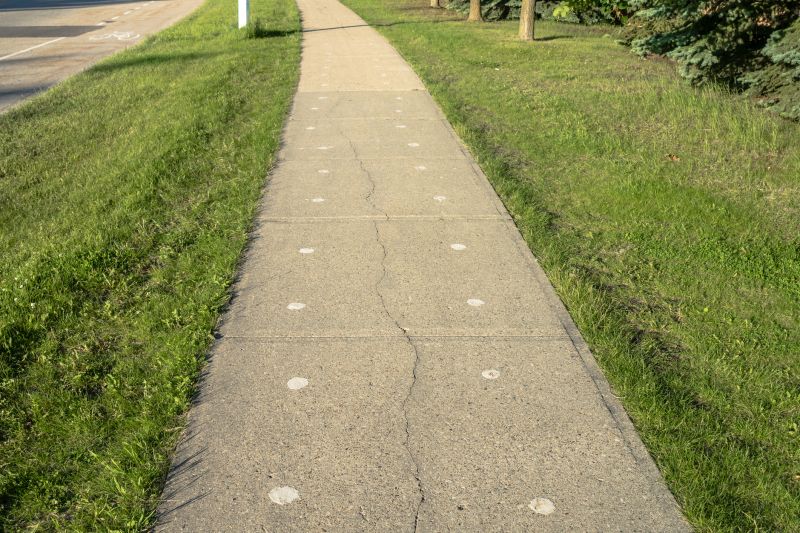
Spring offers mild weather ideal for concrete repairs.
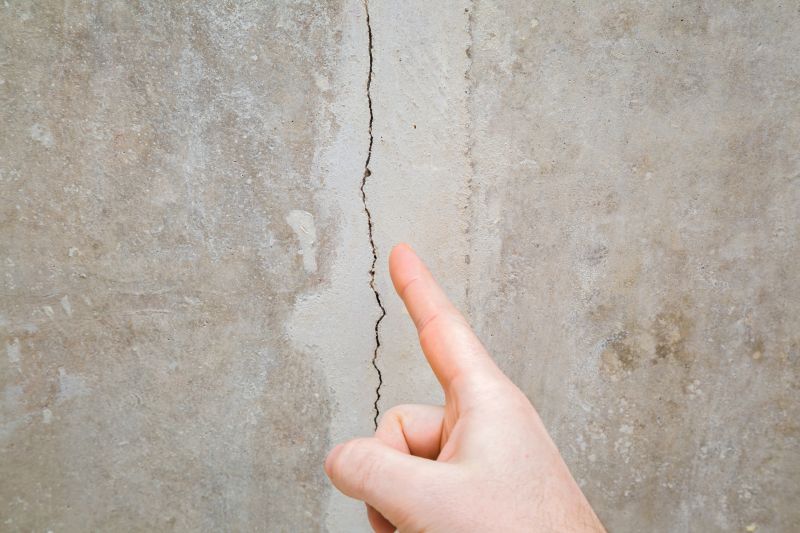
Avoiding high heat for optimal results.
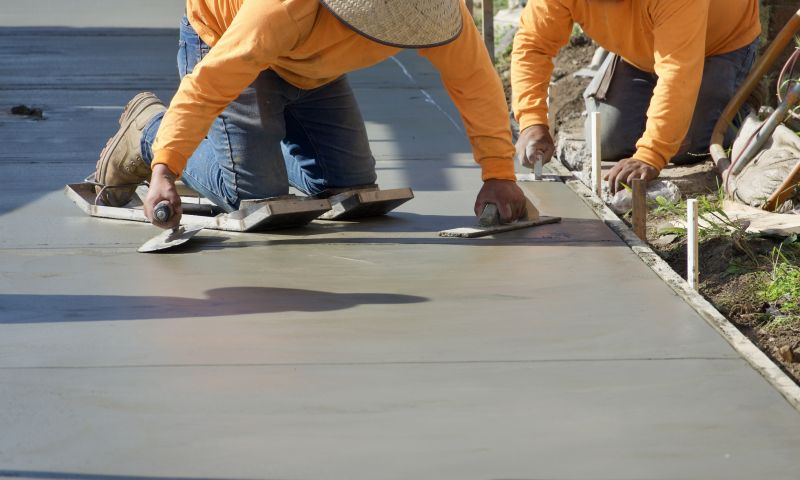
Perfect for scheduling repairs before winter.
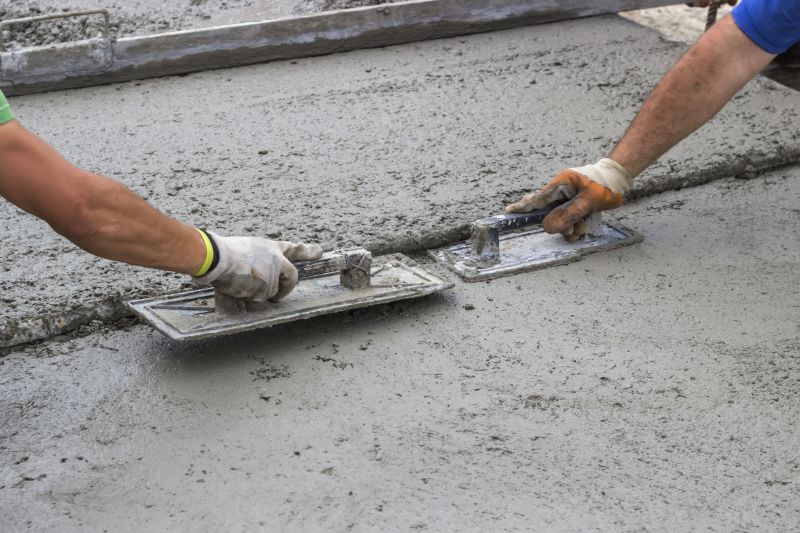
Ensuring proper curing by avoiding rain.
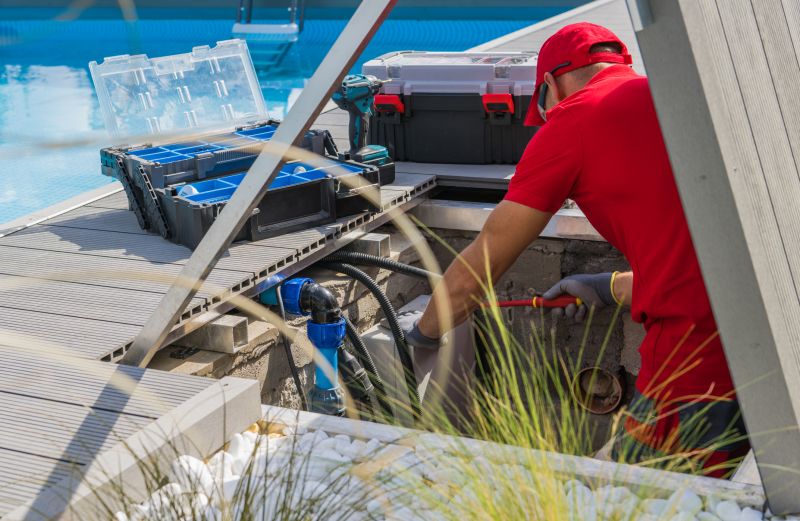
Scheduling repairs when temperatures are above freezing.
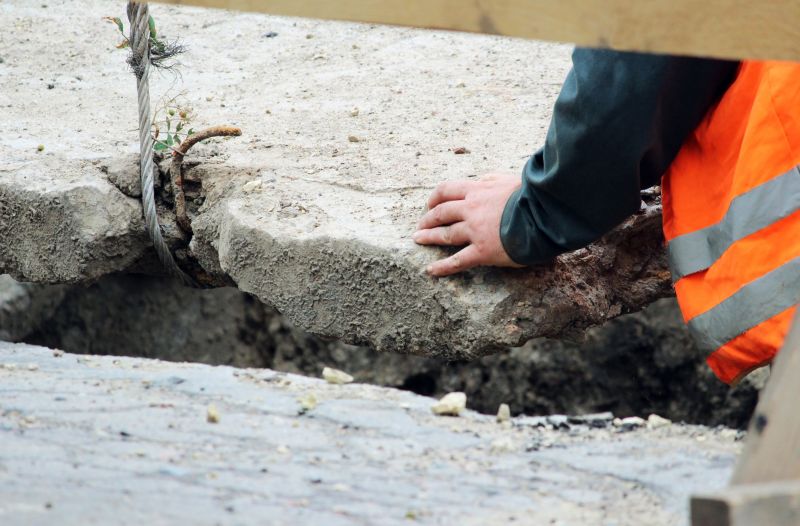
Optimal conditions for concrete work.
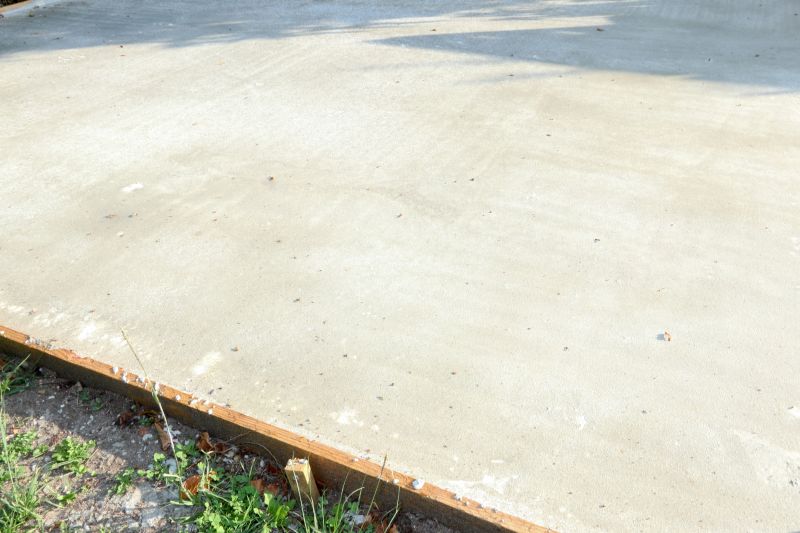
Preparing for repairs in favorable weather.
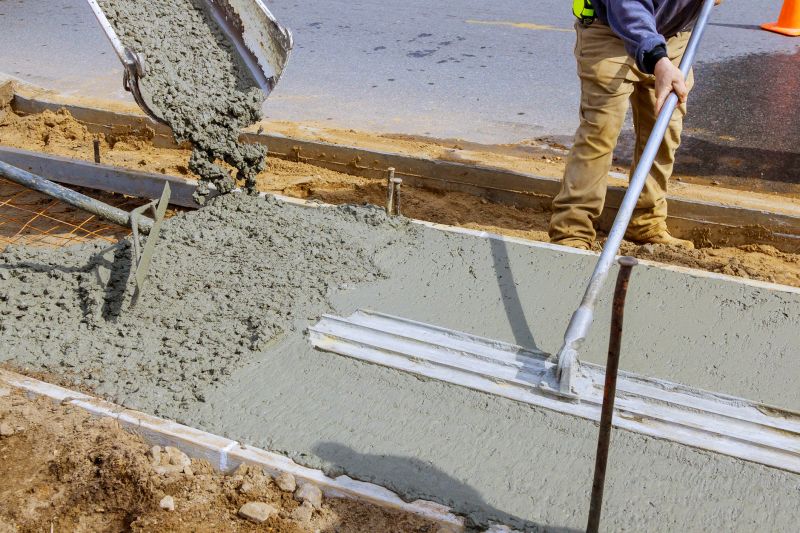
Waiting for dry conditions after rain.
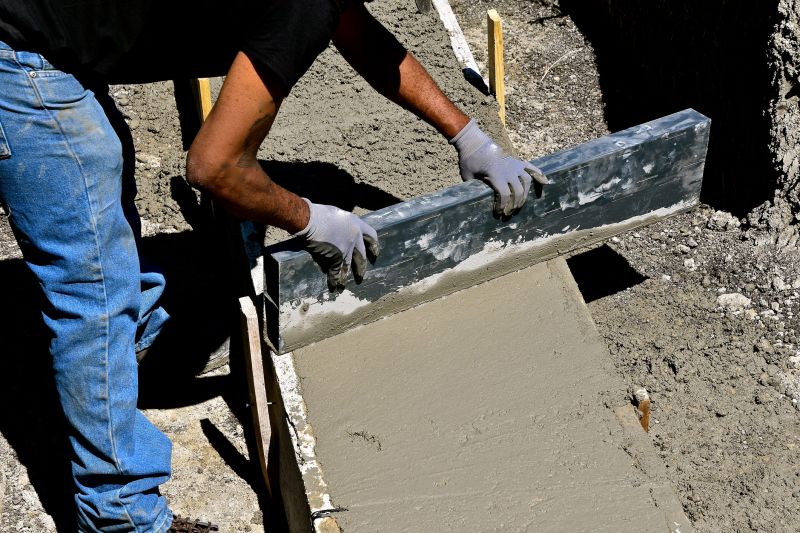
Temperatures between 50°F and 85°F with low humidity.
| Season | Recommended Conditions |
|---|---|
| Spring | Moderate temperatures, low humidity, minimal rain |
| Summer | Avoid high heat, early morning or late evening repairs |
| Fall | Cooler temperatures, dry weather, before winter |
| Winter | Generally not recommended unless heated or controlled environment |
| Post-Rain | Wait until surfaces are dry and weather clears |
Understanding the ideal timing for concrete repairs can help prevent common issues such as cracking, spalling, and weak bonding. Scheduling repairs during suitable weather conditions maximizes the lifespan of the repair work and reduces the need for future repairs. Accurate timing also ensures that the concrete cures properly, reaching its full strength and durability.
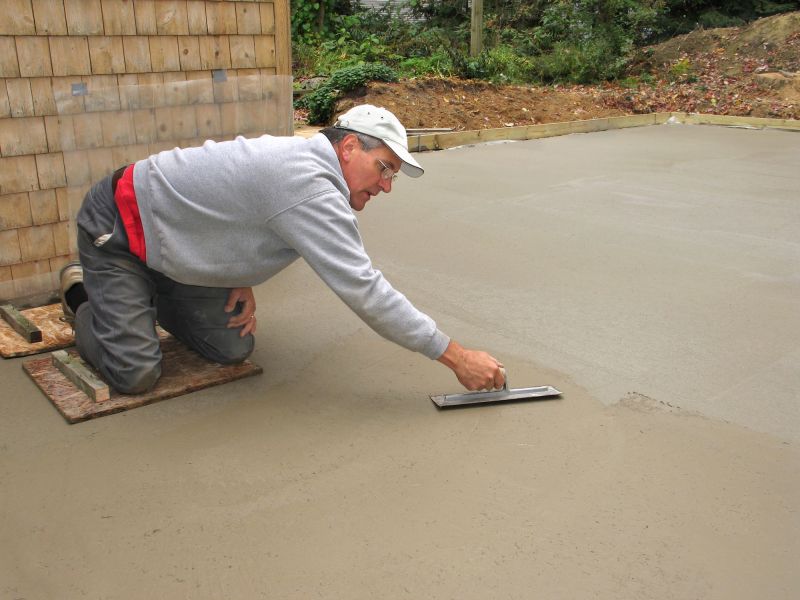
Proper timing ensures durable results.
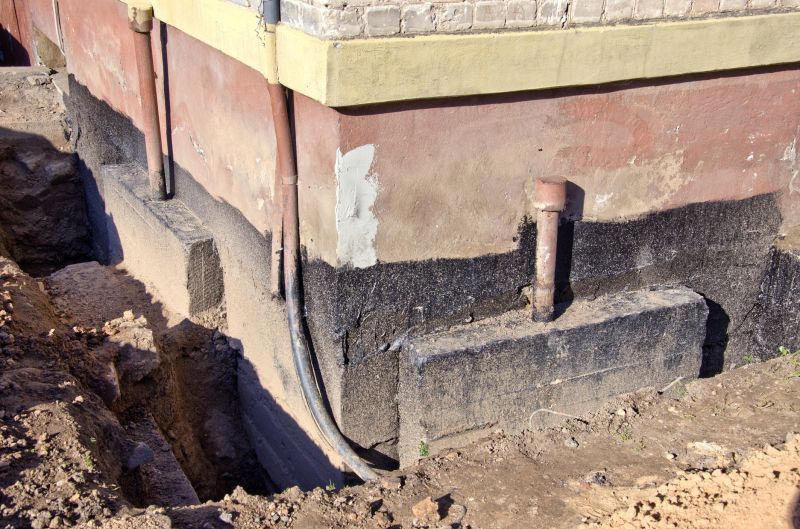
Planning around weather conditions is essential.
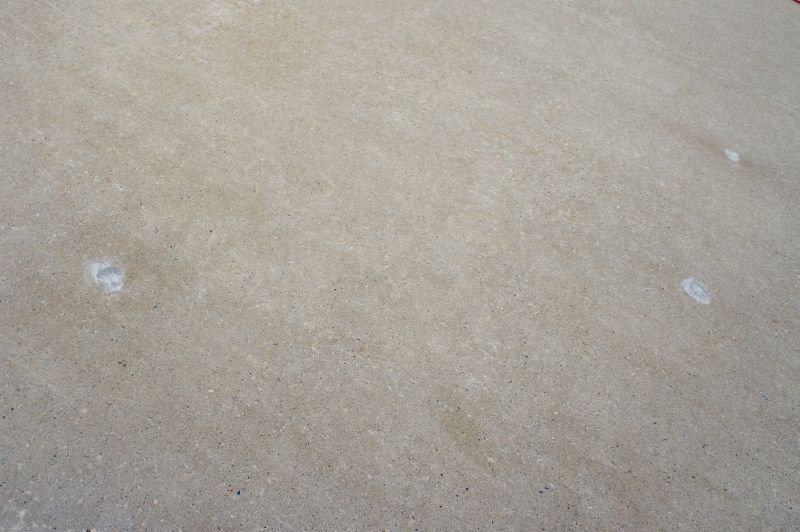
Performed under optimal weather conditions.
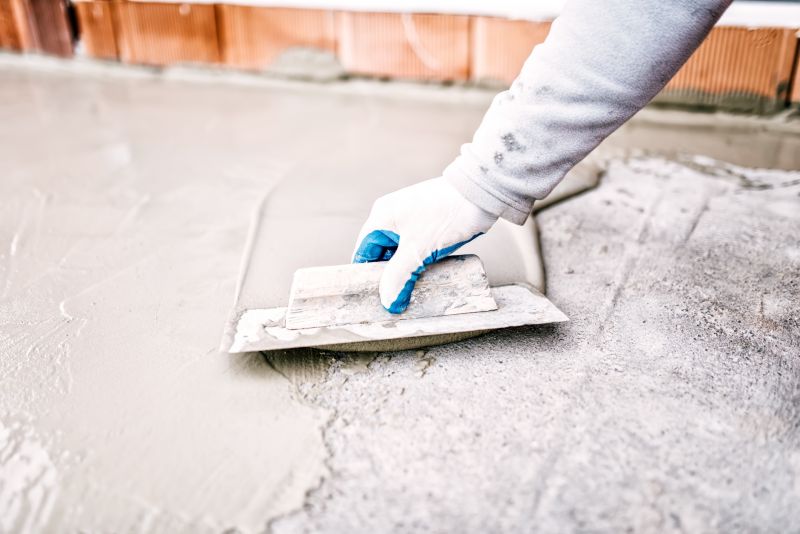
Ensures proper curing and bonding.
For those interested in scheduling concrete repairs, it is recommended to monitor local weather forecasts and plan repairs during periods of stable, mild weather. Proper timing not only enhances the quality of the repair but also extends its lifespan, providing long-term value and structural integrity.